ISO 13485:2016 · CE Marked under EU MDR 2017/745 · Exporting to 25+ Countries +91 9266125395 [email protected]
Surgeine Healthcare logo

Blog

China Best Surgical Dressing Kits for Global Buyers?

China Best Surgical Dressing Kits for Global Buyers?

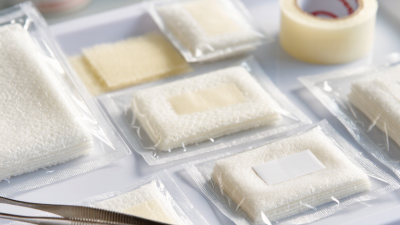
China is a major sourcing destination for medical consumables, but “best” depends on evidence, not price alone. For global buyers, Surgical Dressing Kits must combine sterile presentation, consistent components, secure packaging, and dependable documentation. An attractive catalog is only a starting point. The real test appears in samples, production records, and shipment controls. That distinction matters. Experienced buyers normally inspect dressing materials, absorbency, adhesive performance, pouch seals, labeling, and expiry information. Every component should match the approved specification. Manufacturers with ISO 13485 systems, validated sterilization processes, and lot-level traceability offer stronger quality signals. However, certificates should be checked with issuing bodies and relevant market requirements. Documents can age. Supplier audits, pre-shipment inspections, and retained samples help reveal problems that polished brochures may hide. A reliable China partner should communicate clearly about private labeling, minimum order quantities, lead times, storage conditions, and complaint handling. For hospitals, distributors, and emergency-care suppliers, small details have practical consequences. A crushed carton, unclear sterility indicator, or missing instruction can delay use. This guide examines how to compare Surgical Dressing Kits suppliers through quality, compliance, customization, and supply continuity. It also recognizes an uncomfortable truth: no factory is perfect, and no audit predicts every shipment. Careful verification remains essential. That is where confidence begins.
Read more »

Ethan By:Ethan - October 2, 2026
Why Are CHG Swab Sticks in High Demand?

Why Are CHG Swab Sticks in High Demand?

CHG Swab Sticks are drawing attention because healthcare teams need practical ways to prepare skin before certain procedures. Their ready-to-use format and chlorhexidine gluconate solution can support consistent application when used according to product instructions and clinical protocols. In a busy clinic, a premeasured applicator may reduce setup steps and simplify routine preparation. Small details matter. Many products are individually packaged, but sterility, solution strength, and applicator design vary by manufacturer. Buyers should check labeling rather than assume every stick is identical. Demand also reflects growing attention to infection-prevention practices and the need for dependable supplies across hospitals, outpatient centers, and other care settings. Staff may value applicators that are easy to store, handle, and include in established workflows. Yet convenience alone is not enough. CHG products may not suit every patient or every use, so clinicians should follow applicable guidance and consider product warnings, including sensitivities. Procurement teams also weigh availability, packaging, cost, and staff familiarity. Those factors can change from one facility to another. The demand is real, but it should not be treated as proof that one format fits all. A closer look at product specifications and clinical needs explains why these compact applicators remain a frequent choice—and where careful judgment still matters.
Read more »
Charlotte By:Charlotte - September 27, 2026
Why Choose CHG Applicators for Global Buyers?

Why Choose CHG Applicators for Global Buyers?

Why Choose CHG Applicators for Global Buyers? Healthcare-associated infections remain a serious procurement concern worldwide. The World Health Organization’s Global Report on Infection Prevention and Control 2024 estimates that seven in 100 acute-care patients in high-income countries acquire an infection. In low- and middle-income countries, the figure can reach 15 in 100. These numbers give skin antisepsis a practical role, not merely a marketing angle. CHG Applicators help standardize preparation before procedures. Many clinical protocols reference 2% chlorhexidine gluconate in 70% isopropyl alcohol for appropriate adult central-line care. The CDC’s Guidelines for the Prevention of Intravascular Catheter-Related Infections support this combination when no contraindication exists. A premeasured applicator can reduce handling steps. It can also distribute solution across a defined area, using a consistent sponge or foam head. Small details matter. For global buyers, sterile packaging, lot traceability, clear labeling, and reliable delivery are equally important. Products should support local registration requirements and facility protocols. ISO 13485-based quality systems can strengthen supplier evaluation, although certification alone does not prove clinical suitability. Buyers must still review ingredients, contact time, applicator size, packaging integrity, and compatibility with sensitive skin. The case is strong, but not absolute. CHG is not suitable for every patient or procedure. Allergies, age restrictions, mucosal use, and regional regulations require careful review. A lower unit price may also hide higher waste or training costs. For this reason, CHG Applicators deserve evaluation through clinical evidence, verified manufacturing controls, and real-world workflow testing—not assumptions.
Read more »
Amelia By:Amelia - September 22, 2026
5 Tips for Choosing AAMI Level 4 Surgical Gowns

5 Tips for Choosing AAMI Level 4 Surgical Gowns

Choosing protective surgical apparel should begin with the procedure, not the product label. AAMI Level 4 Surgical Gowns provide the highest barrier classification under ANSI/AAMI PB70, but they are not universal protection against every clinical hazard. The right choice depends on expected fluid volume, pressure, exposure time, and the gown’s tested construction. A splash near the chest demands different attention from prolonged fluid contact at the sleeves. Small details matter. This guide presents five practical considerations for evaluating AAMI Level 4 Surgical Gowns in real clinical settings. It examines barrier performance, seam design, fabric comfort, fit, and supplier reliability. Look for clear certification information, consistent sizing, secure closures, and cuffs that remain covered beneath gloves. A gown that resists fluid but restricts movement can still undermine safe performance. Comfort is not a luxury. It affects concentration. Evidence should guide purchasing decisions. Review independent test results, manufacturer documentation, and feedback from surgeons, nurses, and sterile processing teams. Do not rely on marketing phrases alone. “Maximum protection” needs context. No checklist is flawless. Even experienced teams may overlook heat buildup, awkward sleeve length, or difficult disposal procedures. That is why trial use and documented evaluation remain valuable before large-scale procurement. The safest selection balances tested barrier protection with usability, quality control, and the specific demands of each procedure.
Read more »
Charlotte By:Charlotte - September 17, 2026
How to Choose Sterile Surgical Drapes in 2026?

How to Choose Sterile Surgical Drapes in 2026?

Choosing Sterile Surgical Drapes in 2026 requires more than comparing price, fabric weight, or packaging. The decision begins with procedure-specific risk. A cardiac operation, orthopedic implant case, and short outpatient procedure create different fluid, pressure, and movement challenges. WHO’s Global Guidelines for the Prevention of Surgical Site Infection report that surgical-site infections affect approximately 11% of surgical patients in low- and middle-income countries. The burden is serious. The drape is not a decorative layer. AAMI PB70 classifies surgical gowns and drapes by liquid-barrier performance, from Level 1 to Level 4. That framework helps purchasing teams match protection with exposure risk. CDC guidance also emphasizes aseptic technique, sterile-field control, and appropriate protective barriers. Recent market analyses from Grand View Research and Fortune Business Insights indicate continued growth in the surgical drapes and gowns sector, driven by infection-prevention programs, hospital expansion, and demand for disposable products. Market growth, however, does not prove clinical superiority. Dr. William A. Rutala, a widely cited infection-prevention expert, summarizes the core principle: “The goal is to prevent contamination.” That principle should guide every specification. Evaluate absorbency, lint release, tensile strength, conformability, adhesive performance, packaging integrity, and sterilization validation. Check real workflow conditions. A technically compliant drape can still fail when it shifts, tears, or obstructs access. No checklist replaces judgment. This guide examines evidence, standards, supplier transparency, and practical handling details, while acknowledging an uncomfortable truth: selecting the cheapest Sterile Surgical Drapes may create costs that appear only after the procedure.
Read more »
Amelia By:Amelia - September 17, 2026
How to Choose Customized Surgical Procedure Packs?

How to Choose Customized Surgical Procedure Packs?

Choosing Customized Surgical Procedure Packs requires more than comparing prices or counting components. These packs should reflect the real workflow of a specific procedure, from room preparation to final disposal. Experienced procurement teams review surgeons’ preferences, nurses’ handling routines, and the facility’s storage conditions before approving a design. Small details matter. A correctly positioned drape, clearly labeled syringe, or familiar instrument arrangement can reduce unnecessary movement during surgery. A reliable selection process examines sterility assurance, packaging strength, expiration dates, lot traceability, and component compatibility. Each item should have a clear clinical purpose. Unused components may increase waste, while missing items can interrupt a carefully planned procedure. That assumption can fail. Teams should test sample packs with operating-room staff, record their feedback, and revise the contents when practical evidence supports a change. Supplier quality records, manufacturing controls, and responsiveness also deserve careful review. A low price is not meaningful if delivery is inconsistent or documentation is incomplete. This guide explains how to compare pack designs, verify supplier capability, and build a review process grounded in patient safety. It also considers local regulatory requirements, storage limitations, and sustainability goals without compromising clinical performance. Decisions should involve qualified healthcare professionals and follow the facility’s approved procedures. Nothing should be guessed. The best pack is not necessarily the largest or cheapest; it is the one that supports a predictable, safe, and efficient workflow. Even then, regular evaluation remains necessary, because clinical needs and team habits can change.
Read more »
Ethan By:Ethan - September 17, 2026