
ISO 13485:2016 · CE Marked under EU MDR 2017/745 · Exporting to 25+ Countries +91 9266125395 [email protected]
Surgeine Healthcare logo
0%

China is a major sourcing destination for medical consumables, but “best” depends on evidence, not price alone. For global buyers, Surgical Dressing Kits must combine sterile presentation, consistent components, secure packaging, and dependable documentation. An attractive catalog is only a starting point. The real test appears in samples, production records, and shipment controls. That distinction matters.

Experienced buyers normally inspect dressing materials, absorbency, adhesive performance, pouch seals, labeling, and expiry information. Every component should match the approved specification. Manufacturers with ISO 13485 systems, validated sterilization processes, and lot-level traceability offer stronger quality signals. However, certificates should be checked with issuing bodies and relevant market requirements. Documents can age. Supplier audits, pre-shipment inspections, and retained samples help reveal problems that polished brochures may hide.

A reliable China partner should communicate clearly about private labeling, minimum order quantities, lead times, storage conditions, and complaint handling. For hospitals, distributors, and emergency-care suppliers, small details have practical consequences. A crushed carton, unclear sterility indicator, or missing instruction can delay use. This guide examines how to compare Surgical Dressing Kits suppliers through quality, compliance, customization, and supply continuity. It also recognizes an uncomfortable truth: no factory is perfect, and no audit predicts every shipment. Careful verification remains essential. That is where confidence begins.
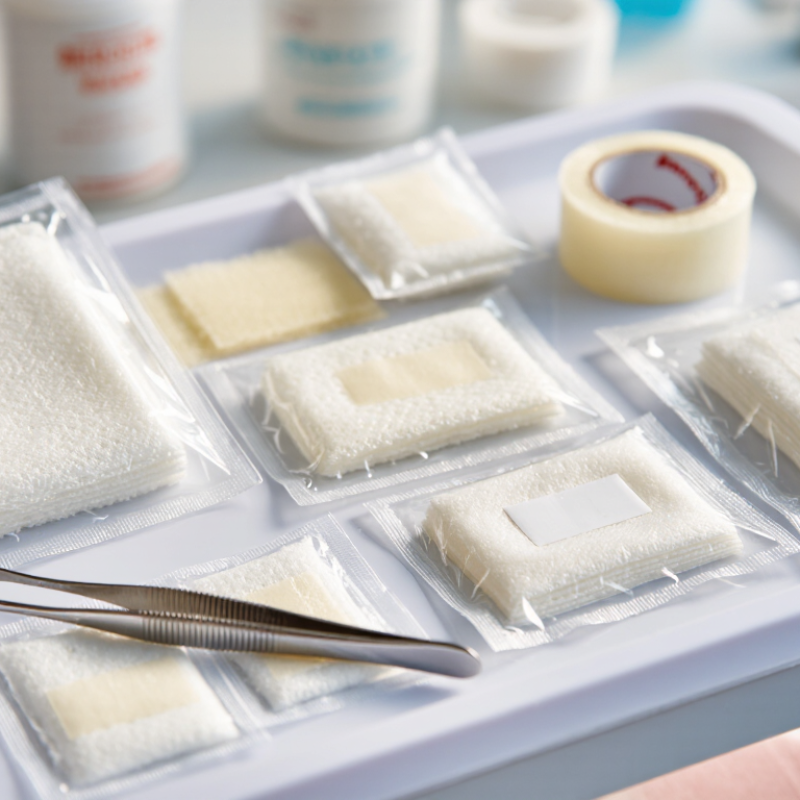
China Best Surgical Dressing Kits for Global Buyers?

China Surgical Dressing Kits: Types, Components, and Clinical Applications

China Surgical Dressing Kits: Types, Components, and Clinical Applications

China-made surgical dressing kits serve hospitals, ambulatory centers, and emergency units worldwide. Their value depends on configuration, sterility, and traceability. The World Health Organization reports that surgical site infections remain the most frequent healthcare-associated infection in many low- and middle-income settings. This makes reliable dressing selection clinically important, not merely economical.

Common kits include basic wound-care sets, cesarean dressing kits, orthopedic dressing kits, and catheter dressing sets. Typical components include sterile drapes, gauze, nonwoven swabs, forceps, scissors, bowls, adhesive tape, and waste bags. Advanced sets may add transparent films, absorbent pads, or antimicrobial dressings. Clinical applications vary. Gauze supports routine incision care, while absorbent materials suit wounds with heavier drainage. The U.S. CDC recommends sterile technique and appropriate hand hygiene during postoperative wound care. However, a larger kit is not automatically safer. Excess components can increase waste and handling errors. That detail is easy to overlook.

Tips: Check the packing list against actual procedures. Ask for material specifications, sterilization records, lot tracking, and shelf-life data. ISO 13485 certification supports quality management, but it does not replace independent product verification. MarketsandMarkets’ 2024 surgical dressings analysis indicates continued growth, driven by surgical volume and chronic wound demand. Still, market forecasts are not clinical evidence. Buyers should test fit, packaging strength, moisture protection, and staff usability before large-scale purchasing. Some kits look complete, yet miss a small item nurses regularly need.

Global Demand: WHO Reports 11% SSI Rates in LMIC Surgical Patients

China Best Surgical Dressing Kits for Global Buyers?

WHO reports that surgical site infections affect about 11% of surgical patients in low- and middle-income countries. This figure shows why reliable dressing kits matter beyond convenience. A properly prepared kit can reduce handling, shorten setup time, and support cleaner wound care. However, kit quality cannot replace trained staff, hand hygiene, safe surgery, or suitable antibiotic policies.

Global buyers should examine every component carefully. Sterile gauze should protect the wound without shedding fibers. Absorbent pads need enough capacity for different procedures. Forceps, drapes, tapes, and disposal bags should match the intended clinical setting. Packaging must resist moisture, display clear sterilization information, and include lot identification. Traceability is essential when hospitals investigate an infection or product failure.

The 11% rate is an important warning, not a universal prediction. Infection risks vary by operation type, facility resources, patient health, and surveillance methods. This difference deserves honest attention. A low-priced kit may appear efficient, yet poor seals or inconsistent materials can create hidden costs. Buyers should request sterile validation records, quality-control data, product samples, and documentation suited to their market. Independent clinical review also helps, especially when adapting kits for rural hospitals or emergency teams. Small details matter. A dressing kit should support real clinical workflows, not merely look complete in a catalog.

China Best Surgical Dressing Kits for Global Buyers? - Global Demand: WHO Reports 11% SSI Rates in LMIC Surgical Patients
Data Dimension Evidence or Specification Relevance for Surgical Dressing Kits Buyer Evaluation Point Reference
Global clinical burden Approximately 11% of surgical patients in low- and middle-income countries are reported to develop surgical-site infection (SSI), although rates vary by procedure, facility, and surveillance method. High SSI burden supports demand for sterile, procedure-specific dressing kits that reduce unnecessary handling and standardize postoperative wound care. Assess whether the kit supports the facility’s infection-prevention protocol and wound-care pathway. WHO Global Guidelines for the Prevention of SSI, 2016
Core sterile contents Common components include absorbent wound dressings, gauze swabs, adhesive fixation materials, disposable forceps, towels or drapes, a waste bag, and instructions for use. Pre-assembled contents can reduce preparation time, variation in tray setup, and unnecessary opening of individual sterile packs. Verify component count, dimensions, absorbency, lint performance, and compatibility with the intended procedure. WHO infection-prevention guidance; ISO 15223-1
Sterility assurance Finished sterile kits should have a validated sterilization process and a defined sterility assurance level of 10⁻⁶ for applicable terminal sterilization processes. Validated sterilization reduces the probability of a viable microorganism remaining on the product after processing. Request sterilization validation, routine monitoring records, and release documentation for each production lot. ISO 11135; ISO 11137; ISO 17665; ISO 14937
Ethylene oxide option Ethylene oxide sterilization is suitable for many heat- and moisture-sensitive medical devices, but residual limits and aeration must be controlled. Useful for kits containing polymers, adhesives, or other components that may be damaged by high heat or radiation. Check residual ethylene oxide and ethylene chlorohydrin data, aeration controls, and material compatibility. ISO 11135; ISO 10993-7
Radiation option Gamma or electron-beam sterilization may be used for compatible disposable medical devices, with dose verification and product-material compatibility assessment. Can support high-volume disposable kit production when packaging and polymers are validated for the selected dose. Review sterilization dose range, bioburden controls, packaging integrity, and changes in material performance. ISO 11137-1; ISO 11137-2; ISO 11137-3
Packaging integrity Sterile barrier systems should be designed, tested, and maintained to preserve sterility through manufacturing, transport, storage, and opening. Strong packaging is especially important for export shipments, humid climates, long storage periods, and facilities with limited warehousing controls. Check seal strength, dye or visual seal inspection, transit simulation, puncture resistance, and package-opening usability. ISO 11607-1; ISO 11607-2; ASTM D4169
Shelf-life evidence Expiration dates should be supported by real-time or accelerated aging studies together with package-integrity and sterility-maintenance testing. A verified shelf life helps buyers manage international logistics, public tenders, emergency stock, and inventory rotation. Request shelf-life protocols, aging conditions, test results, and the proposed storage temperature and humidity range. ISO 11607-1; ASTM F1980
Material safety Patient-contacting materials should be evaluated for biological safety according to the nature and duration of contact. Reduces risks associated with skin irritation, sensitization, cytotoxicity, and other biological responses. Review the biological evaluation plan, test reports, material declarations, adhesives, dyes, and latex status. ISO 10993-1; ISO 10993-5; ISO 10993-10; ISO 10993-23
Drape and gown performance Surgical drapes and protective clothing should be assessed for cleanliness, microbial barrier performance, liquid resistance, linting, and mechanical strength. Appropriate barrier performance helps limit transfer of microorganisms and fluids during invasive procedures. Confirm tested liquid-barrier level, tensile strength, tear resistance, lint generation, and designated critical-zone coverage. EN 13795-1; EN 13795-2; EN 13795-3
Wound-contact dressing Absorbent dressings should provide appropriate fluid management without adhering excessively to the wound or releasing fibers. Correct dressing selection can support exudate control, protection from external contamination, and atraumatic removal. Compare absorbency, wet strength, conformability, edge design, lint level, and ease of removal for the target procedure. ISO 10993 series; applicable national medical-device requirements
Skin preparation compatibility WHO recommends appropriate alcohol-based antiseptic skin preparation for surgical-site preparation when suitable for the patient and procedure. Dressings and drapes should remain compatible with the selected antiseptic and should not compromise adhesion or barrier performance. Check adhesive performance after preparation, drying-time instructions, and contraindications for sensitive skin. WHO Global Guidelines for the Prevention of SSI, 2016
Labeling and traceability Labels should identify the product, sterile status, sterilization method, lot or batch number, expiration date, manufacturer details, and relevant symbols. Clear labeling supports stock control, recalls, adverse-event investigation, and correct use across multilingual markets. Verify UDI or local identification requirements, language requirements, symbol use, and lot-level traceability. ISO 15223-1; ISO 20417; applicable destination-market regulations
Transport and storage Storage conditions should protect the sterile barrier from excessive heat, moisture, direct sunlight, compression, and physical damage. Export buyers need packaging and logistics controls that maintain product quality from dispatch to hospital use. Define transport packaging, pallet configuration, carton compression limits, humidity controls, and stock-rotation requirements. ISO 11607-1; ASTM D4169; WHO medical-device management guidance
Regulatory documentation Typical technical documentation includes product specifications, risk management, sterilization validation, biocompatibility, packaging validation, shelf-life evidence, and quality-system records. Complete documentation reduces approval delays and supports hospital procurement, tender submissions, and importer due diligence. Confirm destination-country registration, conformity assessment, post-market surveillance, and complaint-handling arrangements. ISO 13485; ISO 14971; applicable destination-market regulations
Note: SSI incidence varies substantially by surgical specialty, patient risk, hospital capacity, surveillance quality, and local infection-prevention practices. The approximately 11% figure is a broad LMIC estimate reported in WHO infection-prevention guidance and should not be interpreted as a universal rate for every country or procedure.

Quality Standards: ISO 13485, ISO 10993, and ISO 11135 Compliance

China Best Surgical Dressing Kits for Global Buyers?

Quality Standards: ISO 13485, ISO 10993, and ISO 11135 Compliance

For global buyers, a surgical dressing kit should be evaluated beyond appearance and price. ISO 13485 demonstrates a controlled quality management system for design, production, traceability, and corrective action. In practice, buyers should review batch records, supplier controls, complaint handling, and change management. Clean documentation matters.

ISO 10993 addresses biological evaluation for materials that contact patients. The assessment may consider skin irritation, sensitization, cytotoxicity, and contact duration. A reliable supplier should connect test results with the actual kit components, packaging, and intended use. Generic reports can leave important questions unanswered. Ask for current, product-specific evidence.

ISO 11135 applies to ethylene oxide sterilization. Compliance requires a validated process, defined loading patterns, monitoring, and documented release criteria. Buyers should check sterilization records, residual limits, packaging integrity, and shelf-life data. A damaged seal can defeat excellent production controls. Small details matter.

We have learned that certificates alone do not prove consistent performance. Factory audits and sample inspections still reveal gaps. Sometimes specifications are unclear, or a translated record needs careful review. That is not failure; it is a reason to improve verification before shipment.

Supplier Verification: CE Marking, FDA Registration, and Factory Audits

China Best Surgical Dressing Kits for Global Buyers?

Supplier Verification: CE Marking, FDA Registration, and Factory Audits

Buying surgical dressing kits from China requires more than comparing prices and product photos. Experienced buyers verify whether the kit matches its intended medical use, packaging format, and target-market rules. Ask for the Declaration of Conformity, technical documentation, risk-management records, and applicable test reports. CE marking should reflect the correct conformity route. A logo alone proves little. Where required, confirm the responsible notified body and certificate details independently.

FDA registration also needs careful checking. Registration is not the same as FDA approval. Request the manufacturer’s legal name, establishment registration details, device listing information, and U.S. agent data when applicable. Compare these details with official FDA records. A PDF screenshot may be outdated. It happens more often than buyers expect. Confirm that the listed product category matches the actual dressing kit, including sterile components and packaging claims.

A factory audit should examine real production areas, not only meeting rooms. Inspect cleanroom controls, sealing equipment, sterilization validation, batch records, and lot traceability. Review incoming-material checks and final-release procedures. Ask how the factory handles complaints, recalls, damaged packaging, and corrective actions. ISO 13485 certification can support confidence, but it cannot replace an on-site assessment. Auditors should sample several production batches and follow one lot from raw material receipt to shipment. No audit is perfect. Still, detailed evidence reveals more than polished presentations.

Buyer Assessment: MOQ, Lead Time, Packaging, and 10⁻⁶ Sterility Assurance

For global buyers, surgical dressing kits from China should be assessed beyond unit price. MOQ often changes with kit complexity, materials, and printing requirements. A simple gauze kit may start near 500 sets, while customized kits require more. Ask whether the MOQ applies to each size, carton, or total order. This detail prevents an unpleasant purchasing surprise.

Lead time should be divided into sampling, material preparation, production, and release testing. Samples may take 7–10 working days. Standard production often needs 25–40 days after approval. Custom components can extend this schedule. Request a written timeline with inspection points. It is not enough to hear “fast delivery.” Delays often begin with late artwork approval.

Packaging deserves close inspection. Medical-grade peel pouches should protect the contents without weak seals or sharp edges. Outer cartons need clear lot numbers, expiry dates, storage conditions, and quantity marks. Ask for seal-strength records and transport testing when shipping overseas. For 10⁻⁶ sterility assurance, confirm the sterilization method, validated cycle, bioburden controls, and routine monitoring records. A certificate alone is not convincing evidence. Buyers should review the sterilization report and traceability documents. Some packaging decisions look efficient but fail during humid transport. That risk deserves a practical recheck.

China Best Surgical Dressing Kits for Global Buyers?

Buyer Assessment: MOQ, Lead Time, Packaging, and 10⁻⁶ Sterility Assurance

Typical MOQ
Approximately 500–5,000 kits, depending on customization and packaging.
Packaging Reference
Common pack configurations range from 10 to 50 kits per shipping carton.
Sterility Assurance
A sterilized medical device commonly specifies a sterility assurance level of 10⁻⁶.

The chart presents an indicative RFQ planning benchmark showing how estimated lead time can increase with order quantity. Actual MOQ, production timing, carton configuration, and sterilization validation should be confirmed against the supplier’s technical file, packaging specification, and purchase agreement.

FAQS

Why do surgical dressing kits matter in global healthcare?

They reduce handling and support cleaner wound care. Setup can become faster. Small details matter.

Does an 11% infection rate apply to every surgical patient?

No. The figure concerns patients in low- and middle-income settings. Risk varies by procedure, facility, and patient health.

Can a dressing kit replace trained medical staff?

No. Kits cannot replace hand hygiene, safe surgery, trained staff, or suitable antibiotic policies. That assumption needs correction.

Which components should buyers inspect carefully?

Check gauze, absorbent pads, forceps, drapes, tapes, and disposal bags. Gauze should protect wounds without shedding fibers.

What packaging details are important?

Inspect peel-pouch seals, carton strength, lot numbers, expiry dates, and storage instructions. Weak seals may fail during humid transport.

How should buyers evaluate minimum order quantities?

Ask whether the minimum applies to each size, carton, or the total order. A simple kit may start near 500 sets.

What lead time should buyers expect?

Samples may need 7–10 working days. Standard production often takes 25–40 days after approval.

What evidence supports a 10⁻⁶ sterility assurance claim?

Request sterilization methods, validated cycles, bioburden controls, monitoring records, and traceability documents. A certificate alone is not enough.

Why are samples and independent reviews useful?

Samples reveal material weaknesses, poor seals, or awkward layouts. Independent clinical review helps adapt kits for rural hospitals and emergency teams.

What purchasing mistake deserves more reflection?

Choosing the lowest price may create hidden costs later. A complete-looking kit can still fail in real clinical workflows.

Conclusion

Surgical Dressing Kits are essential medical supplies designed to support wound cleaning, protection, and post-operative care. They may include sterile gauze, absorbent pads, adhesive dressings, bandages, forceps, gloves, and other single-use components, depending on the intended clinical application. With surgical site infection rates reported at around 11% among patients in low- and middle-income countries, reliable dressing solutions are increasingly important for hospitals, clinics, and healthcare distributors worldwide.

For global buyers, product quality and supplier reliability should be assessed carefully. Manufacturers should demonstrate compliance with ISO 13485 for quality management, ISO 10993 for biological evaluation, and ISO 11135 where applicable to sterilization processes. Buyers should also verify CE marking, relevant regulatory registration, factory audit results, material safety, and traceability. Practical considerations such as minimum order quantity, lead time, packaging integrity, shelf life, and a sterility assurance level of 10^-6 are equally important when selecting a dependable surgical dressing kit supplier.

Ethan

Ethan

Ethan is a professional marketing specialist with a strong understanding of the company’s products, customers, and market environment. Through a combination of strategic thinking, industry research, and practical communication skills, he helps present complex product information in a clear, useful,......